Risk & Strategy: Starting Smart — Key Advice for Beginners and Small Businesses
Starting your own business is exciting, but it also comes with risks. Whether you’re a beginner or running a small to medium enterprise (SME), adopting smart strategies early can mean the difference between success and struggle. Here’s how to manage risk and plan for strategy from Day One.
- Choose an idea you know: Leverage your own skills or experience. Launching in a field you understand cuts down on costly beginner mistakes. ([forbes.com](https://www.forbes.com/sites/melissahouston/2024/10/02/how-to-choose-the-right-business-idea-with-the-least-risk/?utm_source=openai))
- Validate demand before going all in: Research your market, test ideas with prototypes or pilot programs, and talk to real potential customers. This reduces risk tied to making something people don’t want. ([forbes.com](https://www.forbes.com/sites/melissahouston/2024/10/02/how-to-choose-the-right-business-idea-with-the-least-risk/?utm_source=openai))
- Keep overheads low: Start small. Consider remote or home-based operations, minimal inventory, or service models. Delaying large expenses helps protect your finances. ([designiscope.com](https://www.designiscope.com/post/how-to-start-your-own-business-with-minimum-risk?utm_source=openai))
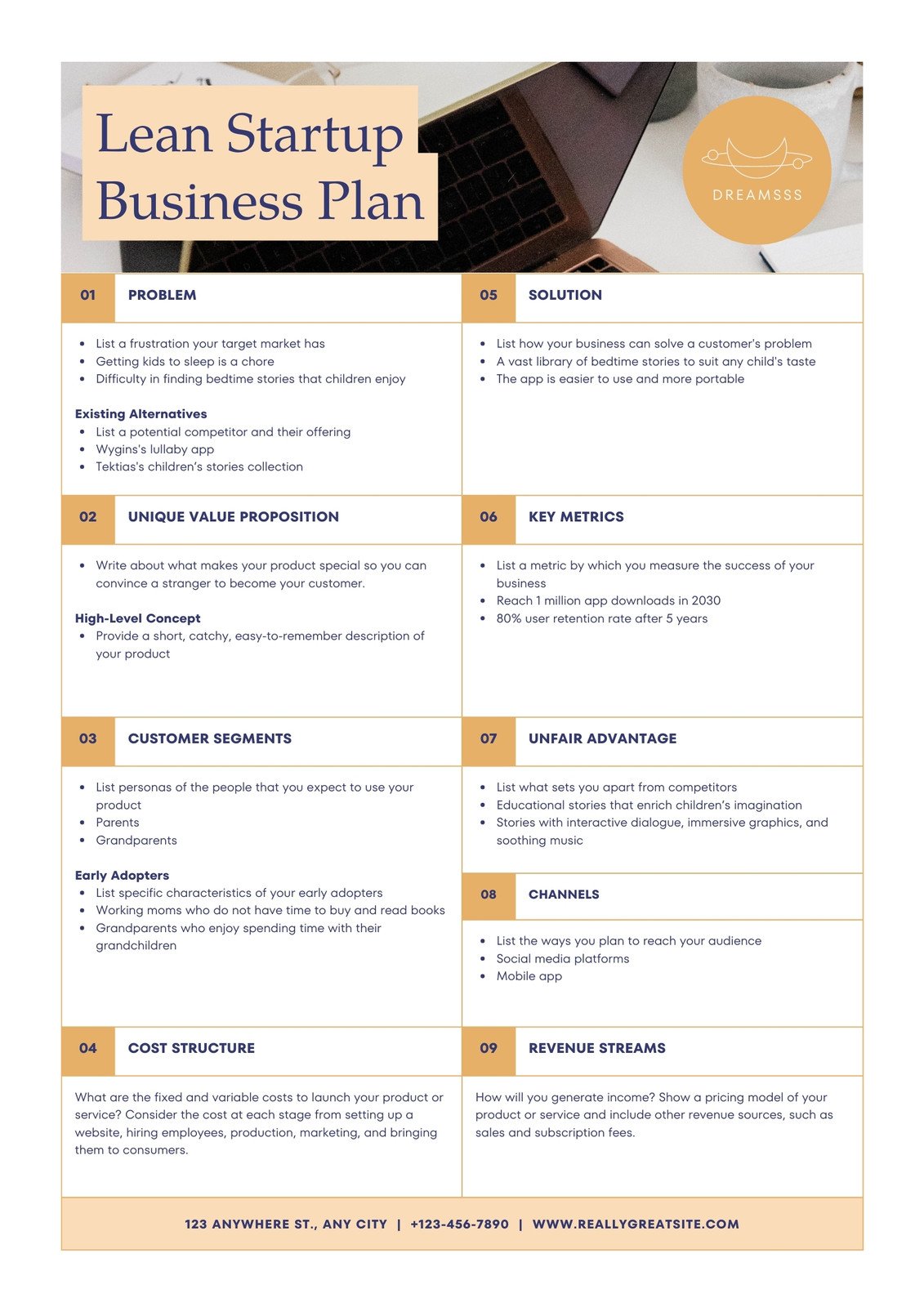
- Create a concise business plan: Even a one-page plan helps you define goals, customer segments, revenue sources, risk points, and your strategy for moving forward. ([liveplan.com](https://www.liveplan.com/blog/starting/tips-to-reduce-risk?utm_source=openai))
- Manage financial risks carefully: Track cash flow closely, avoid over-reliance on debt, and build up savings before scaling. Consistent financial discipline helps in downturns or unexpected setbacks. ([liveplan.com](https://www.liveplan.com/blog/starting/tips-to-reduce-risk?utm_source=openai))
- Mitigate legal & structural risk: Choose the right business structure (LLC, corporation, sole proprietorship), register properly, use solid contracts, and understand regulatory obligations in your industry. ([business.qld.gov.au](https://www.business.qld.gov.au/running-business/risk/starting?utm_source=openai))
- Develop your risk register & contingency plan: Identify potential risks (financial, market, operational, legal), assess their impact, prioritize, assign ownership, and plan responses. Regularly review and update these as your business evolves. ([527702.fs1.hubspotusercontent-eu1.net](https://527702.fs1.hubspotusercontent-eu1.net/hubfs/527702/A%20guide%20to%20risk%20and%20resilience%20for%20start-ups.pdf?utm_source=openai))
- Find mentors and build a support network: Experienced advisers, peers who’ve started a business, community groups—all can offer guidance, feedback, and help you avoid pitfalls. ([entrepreneur.com](https://www.entrepreneur.com/starting-a-business/5-ways-to-minimize-early-stage-business-risk/324898?utm_source=openai))
- Monitor and adapt: External conditions change—competition, market trends, technology. Be ready to pivot strategy or product offerings when needed, based on real time feedback or data. ([liveplan.com](https://www.liveplan.com/blog/starting/tips-to-reduce-risk?utm_source=openai))
- Avoid burnout: Build healthy work habits, delegate tasks early, set realistic growth goals, and protect your mental and physical health. Business isn’t just about profit—it’s also about sustainability. ([robinwaite.com](https://www.robinwaite.com/blog/key-things-and-risks-to-consider-before-you-start-a-business?utm_source=openai))
By combining these risk-aware strategies with a clear action plan, beginners and SME owners can launch with confidence. Every business journey involves uncertainty—making wise strategic moves upfront will help you face challenges with resilience.